






I’ve spent much of my career helping people and organisations communicate clearly, thoughtfully and with impact. In recent years, that work has also included speaking in Parliament, working alongside policymakers, and advocating publicly through She Has Breast Cancer, a platform born from my own diagnosis and lived experience.
I didn’t choose to become a breast cancer advocate. Like so many women, I became one the moment my life was divided into before and after. Breast cancer doesn’t just change your health, it changes how you move through the world, how you’re seen, how you’re treated, and often how invisible you become if you are someone like me who continues to live with it.
Which is why I feel compelled to say this, even if it makes people uncomfortable.
No pink seats for me, please.
The weeks following Christmas are some of the hardest for women living with breast cancer. New diagnoses arrive quietly. Recurrences resurface. Others are left reflecting on a life they once had, before hospitals, scans, insurance battles and the slow erosion of certainty.
Then comes the Sydney Test.
Pink signage. Pink messaging. Pink symbolism everywhere.
I receive a flood of messages from women during this time every year, women at different stages of diagnosis, treatment, recovery and loss. And I think often of a dear friend, who passed away not long ago from breast cancer. Before she died, she told me she deliberately switched off from social media during the Sydney Test. Seeing women’s names printed on pink seats at the cricket was too much.
For her, it wasn’t uplifting. It wasn’t empowering. It was confronting. A public imprint of trauma she didn’t ask to revisit.
I know that feeling well. Shortly after my diagnosis, seeing my own name printed on a pink seat was profoundly jarring, a harsh, public reminder of a trauma I was still trying to process.
While initiatives like pink seats are well-meaning and designed to raise funds and awareness, intention doesn’t always equal impact. For many women living with breast cancer, constant public reminders, particularly those that attach names to symbols can be deeply distressing.
Pink has become a shorthand for breast cancer. A marketing device. But breast cancer isn’t pink.
It’s complex, lifelong and often invisible. It’s not always about having someone hold your hand through scans and tears. Sometimes it’s about being unable to get travel insurance. Being quietly discriminated against at work. Losing a relationship under the strain. Watching children struggle to process a parent’s diagnosis. Or living with a diagnosis that no longer “looks” serious, so people stop seeing you altogether.
I appreciate that people want to help. I truly do. Fundraising matters. Research matters. Support matters. But before we assume what support looks like, we need to ask the women themselves.
Ask her which charities she supports.
Ask her what help would actually make a difference.
Ask her how breast cancer is affecting her life right now.
Because awareness without understanding can do harm, even when it’s wrapped in good intentions.
I am speaking up for the women whose voices reach out to me, often quietly and often privately. I am part of a club I never chose to join. But I have developed an armour that many cannot, and with that comes responsibility. If being the loud voice means taking the lashing so others don’t have to, then I will. So, I will continue to raise the uncomfortable issues, challenge assumptions and advocate for women living with breast cancer, even when it’s uncomfortable, even when it challenges familiar narratives. Because women deserve more than pink symbolism. They deserve to be heard, respected and asked – not assumed.
Support women with breast cancer by meeting us where we actually are, not where a campaign imagines us to be.
No pink seats for me, please.
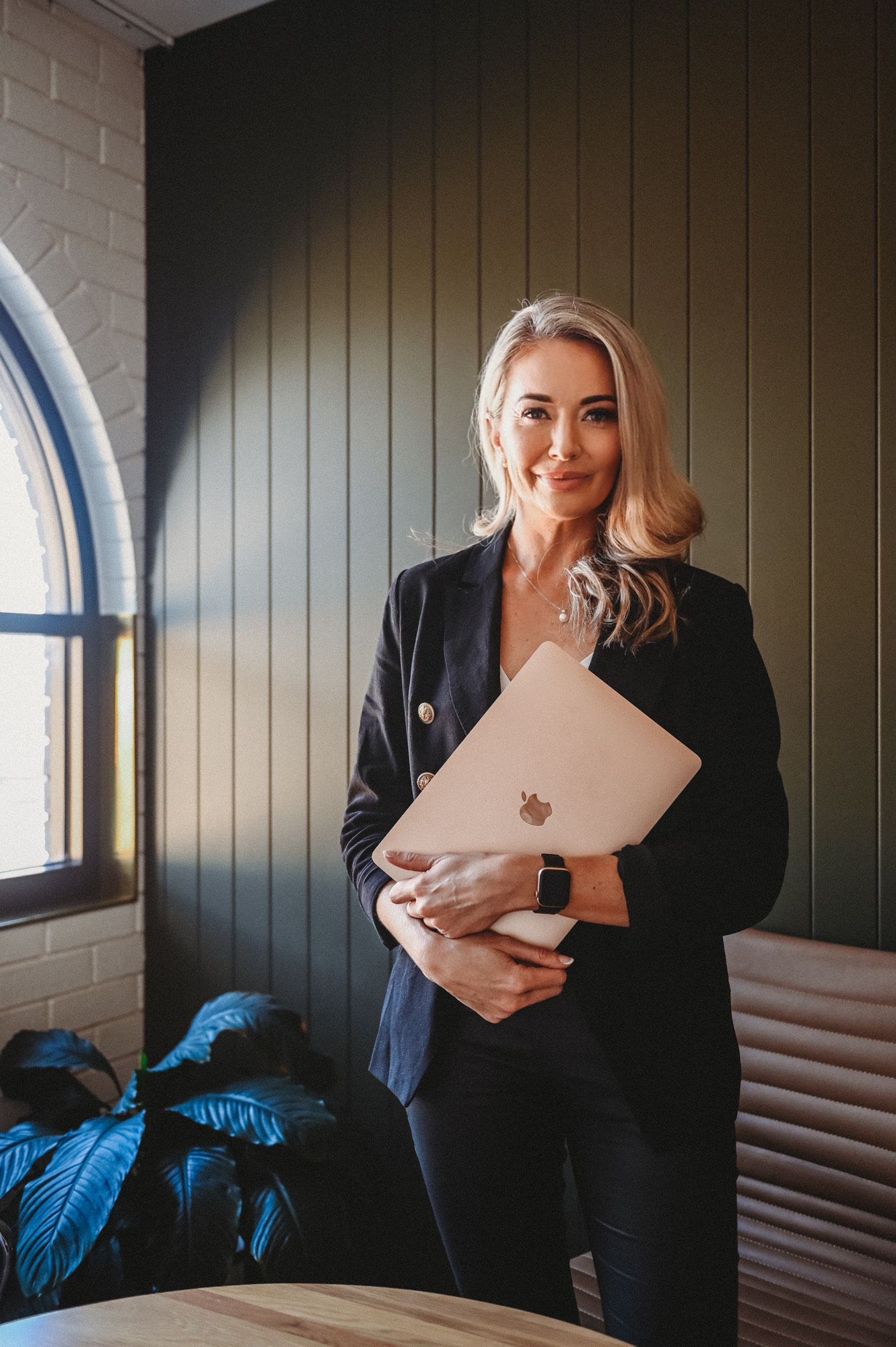
Danica Bunch is an award-winning strategic communications and PR professional, author and breast cancer advocate based in regional NSW. After her own diagnosis, she founded She Has Breast Cancer, a platform dedicated to elevating lived experience and advocating for more thoughtful, woman-led approaches to breast cancer awareness, support and policy. Danica regularly contributes to public conversations on women’s health, visibility and advocacy.