


For four days in September, Kandos once again became a place where almost anything could happen.
The Cementa 26 Biennale Arts Festival, held on Wiradjuri Country, filled the town with contemporary art, performance, music, workshops and experiences ranging from the contemplative to the wonderfully strange.
This year’s festival was particularly sensory and experiential. Cementa wasn’t simply something to look at. Audiences were encouraged to participate, listen, make, touch, talk, question and immerse themselves in the work.
And there was a lot to explore.
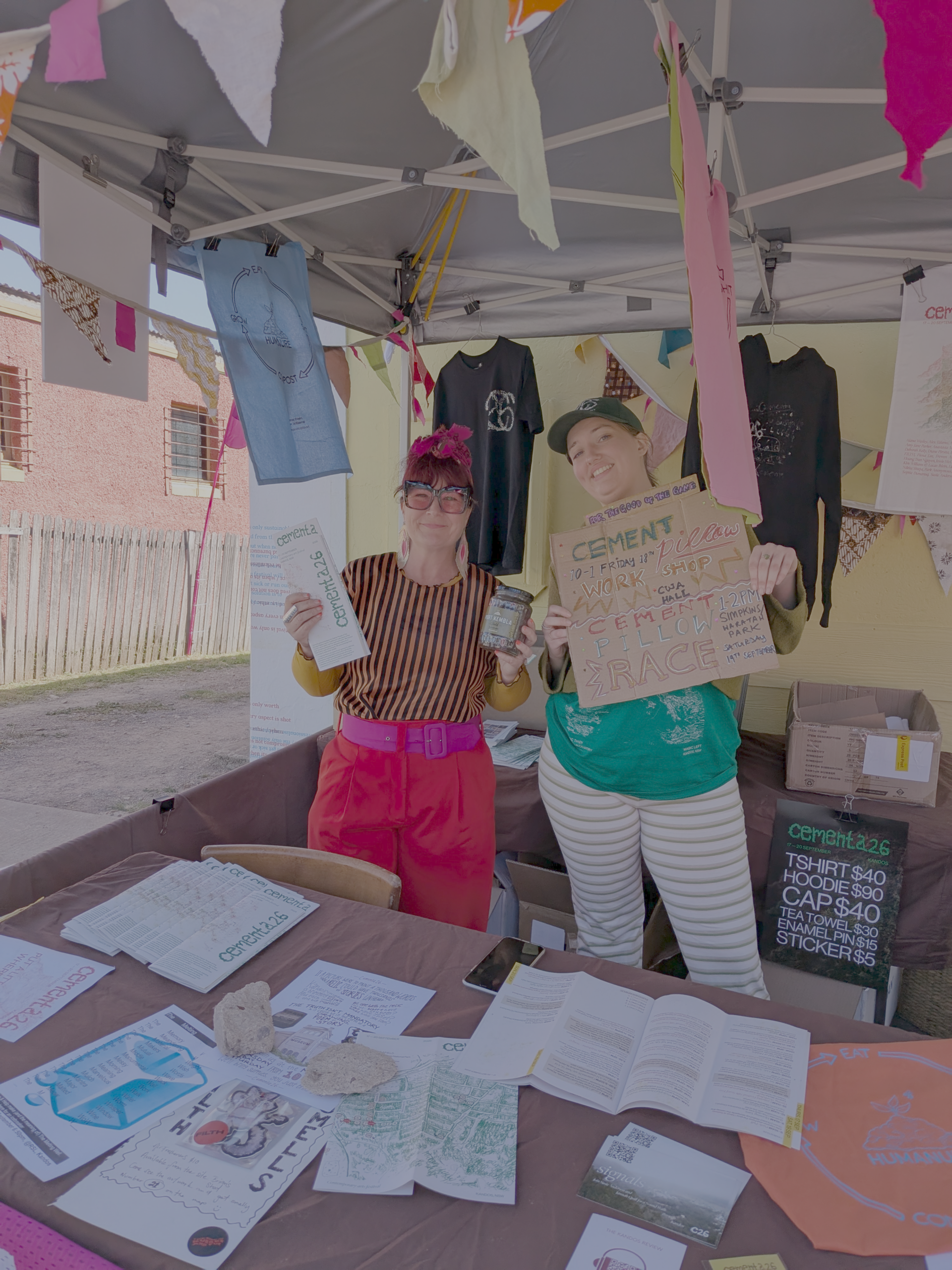
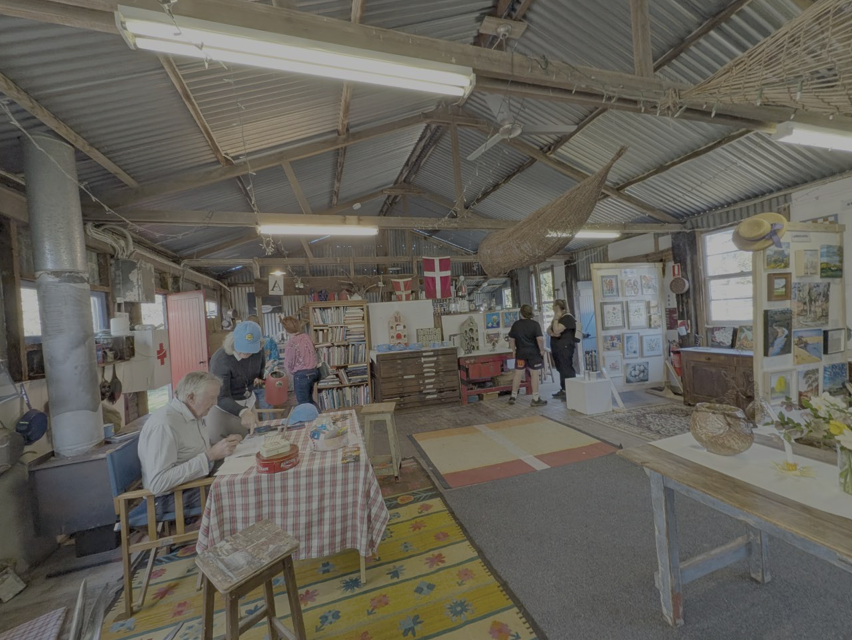
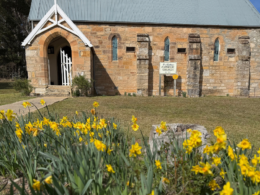
Art and activity spread across Kandos, from the Community Hall and Kandos Museum to the Community Hub and Cementa Cafe, and into streets, parks and unexpected corners of town. Workshops invited people to become participants rather than spectators, while performances and installations transformed familiar places.
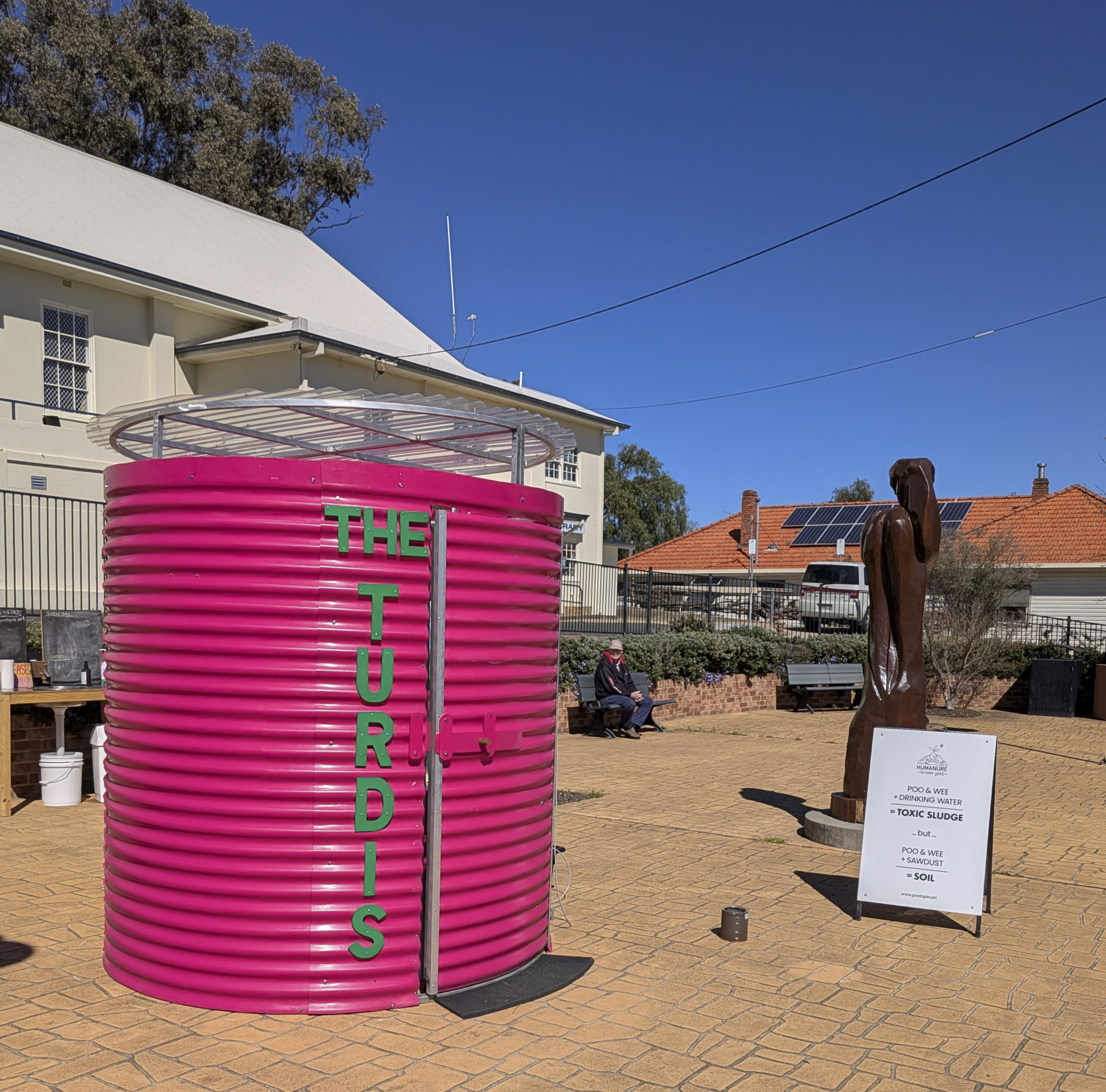
At the centre was Pootopia, an exhibition that managed to be funny, confronting and thought-provoking all at once. The wonderfully named “Turdis” composting toilet invited visitors to learn about the potential value of human manure when properly treated – using humour to start conversations about waste, resources and sustainability.
Cementa also spilled beyond the town into the surrounding landscape.
At Ganguddy/Dunns Swamp, the Kayak Orchestra was a memorable open-air participation event, with kinetic instruments towed behind canoes creating a Gamelan-like soundtrack with random injections of whimsy and oddity.
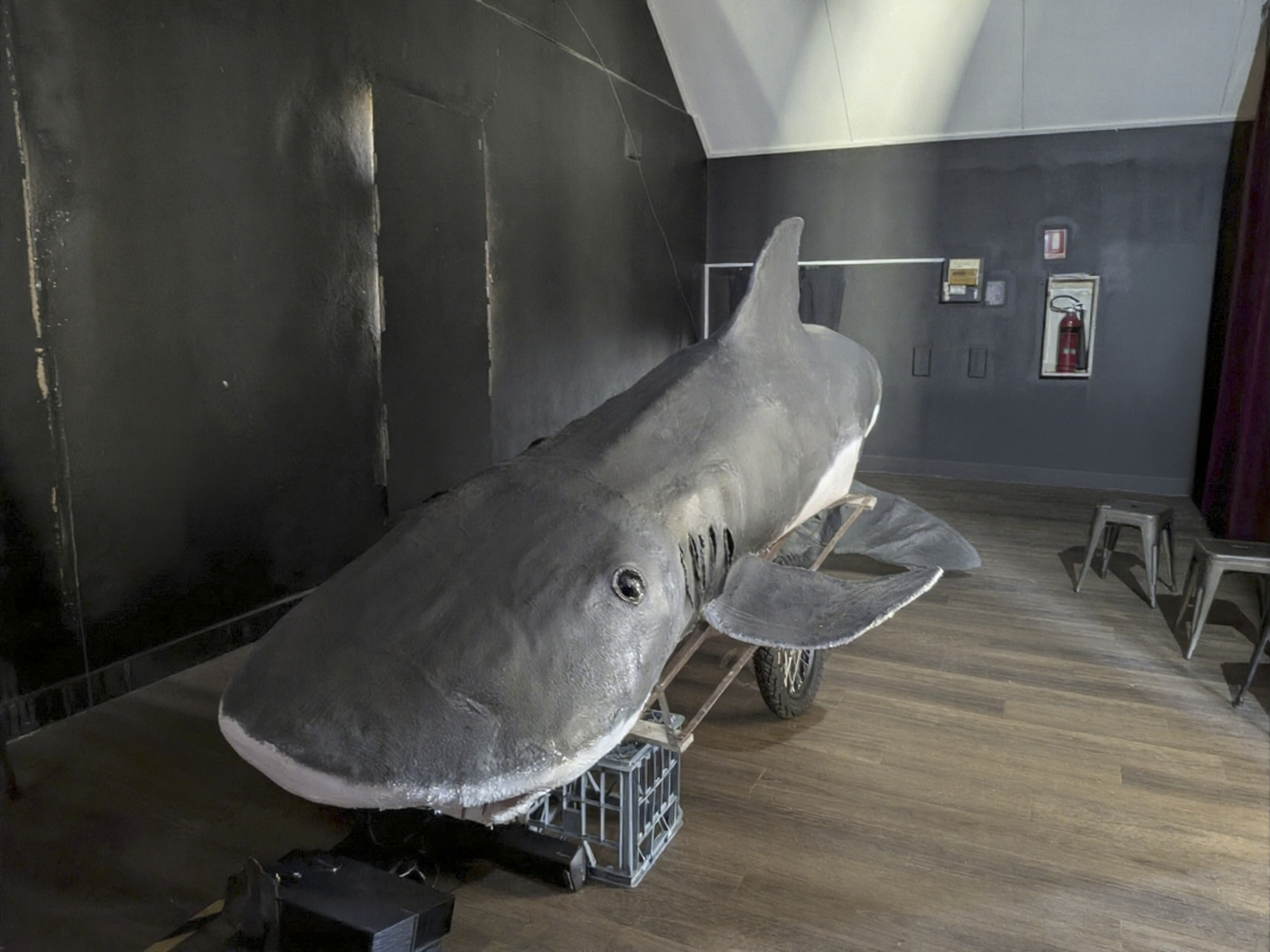
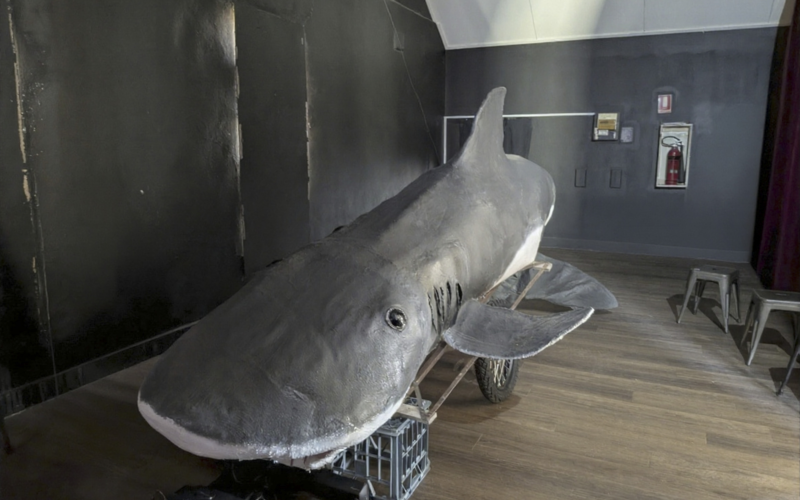
And then there was Baby – a five-metre, handmade mechanical shark. Far more than an impressive kinetic creature, Baby formed part of an installation reflecting on Kandos’s ancient past as part of an inland sea. A special performance with Baby was recorded on Kandos’s “Mt Baldy” at sunset, connecting geology, imagination and the contemporary landscape in typically unexpected Cementa fashion.
The festival opened with Uncle Peter Swain welcoming visitors to Country at the North East Wiradjuri Cultural Centre and inviting everyone to “take this time to be here and be now”.
That invitation to consider place and community flowed through many works. Anastasia Murney’s tarot sessions asked participants, “What do we need to do to strengthen Kandos for future generations?”
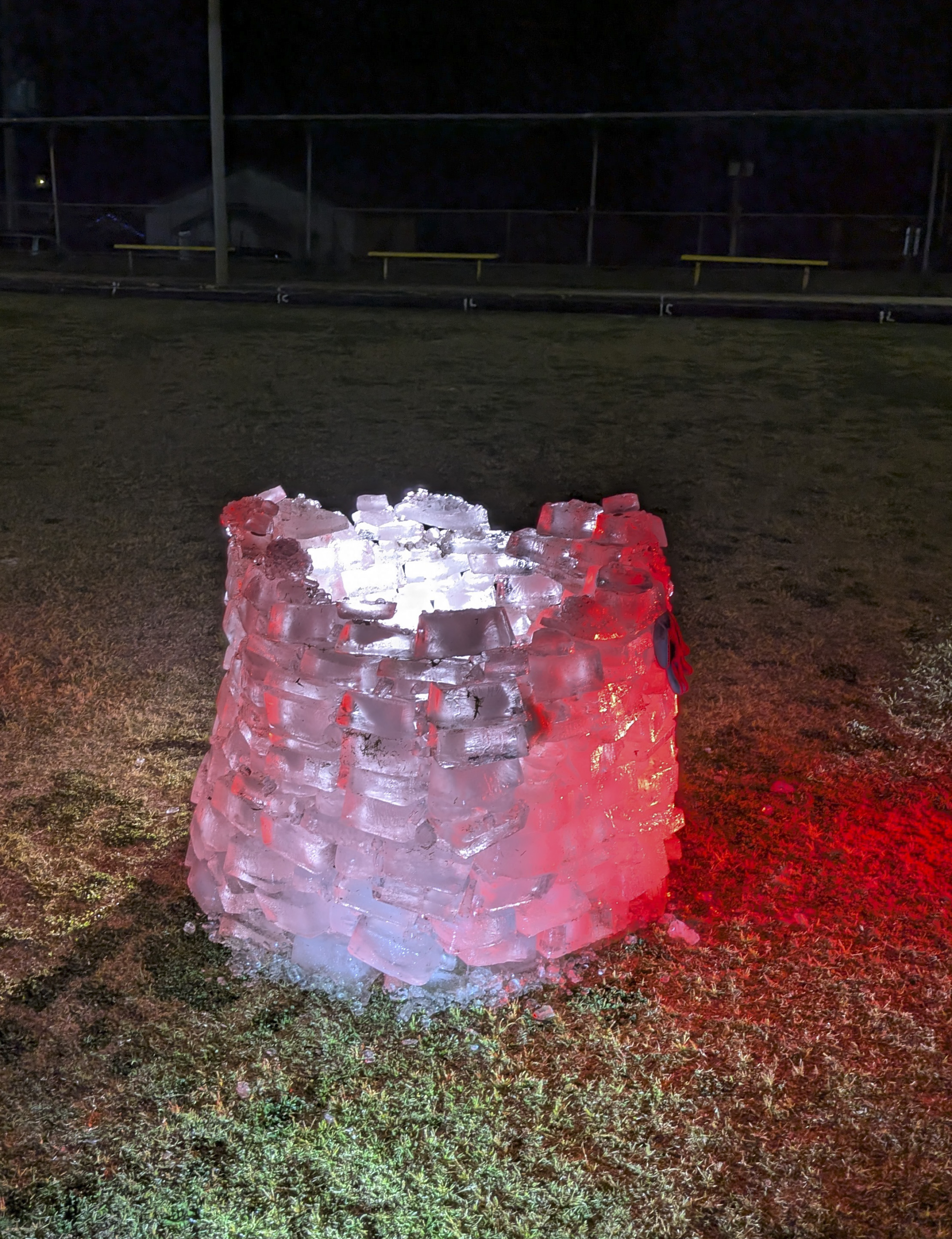
On the bowling green, Joy Zhou’s The Melting Well, made from household water frozen in local freezers, slowly disappeared in a reflection on limestone, water, place and community.
Then there was Night Commons, with Night Snacks, puppet shadow play and even synchronised snoring through the night as campers occupied the Community Hall.
Curated by Sebastian Henry-Jones, Cementa 26 was playful, challenging, occasionally baffling and often gloriously weird. Its real strength, however, was the relationship between artists, community and place.
For one remarkable weekend, Kandos wasn’t simply hosting an arts festival. Kandos was the festival.