




Harrie Fasher’s monumental bronze sculpture has become a commanding centrepiece of a major new Sydney exhibition.
Portland artist Harrie Fasher has reached another significant career milestone, with one of her most ambitious works acquired and exhibited by the Art Gallery of New South Wales.
Fasher’s towering bronze sculpture After Pina / Calling Kali is a central work in The edge of things, a new exhibition bringing together more than 140 works by 41 Australian and international artists.
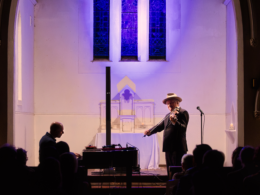
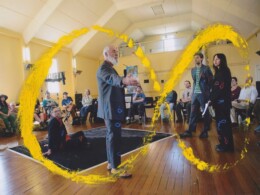
The exhibition was officially launched with a public conversation between Fasher and celebrated Australian painter Ben Quilty, led by exhibition co-curator Beatrice Gralton.
Standing more than 3.5 metres tall, After Pina / Calling Kali was made at Fasher’s studio and foundry at The Foundations in Portland with the assistance of her dedicated local team.
Introducing Fasher, Gralton described her as “one of Australia’s most exciting contemporary sculptors” and acknowledged the extraordinary creative facility she has established at the former Portland cement works.
Since moving to The Foundations, Fasher has developed a 900-square-metre industrial studio and established her own bronze foundry. The facility allows her to make everything from intimate pieces to monumental sculptures while creating opportunities for regional training, mentoring and employment.
The newly acquired work combines influences from German choreographer Pina Bausch and Kali, the Hindu goddess associated with time, destruction, protection and female power.
Fasher said her love of dance and the extraordinary movement of the human body had strongly influenced the sculpture.
“Sculpture is like a moment caught in time,” she said. “I imagine this figure has the capacity to move.”
The work began following a visit to Bhutan, where Fasher encountered busy Buddhist temples filled with sound, movement and activity.
“It wasn’t serene, calm and quiet. It was chaos,” she said.
Fasher returned to Portland determined to create a goddess-like figure. Rather than producing a complete drawing or model first, she and her team made and cast individual sections before working out how the final sculpture would fit together.
“There was never any real picture of what she was,” Fasher said. “In essence, I made her backwards.”
While the structural and safety requirements were carefully controlled, Fasher allowed the appearance of the sculpture to develop through experimentation, accidents and discoveries made during casting.
“You have to trust in the fact that you will find a way, rather than that you know a way,” she said.
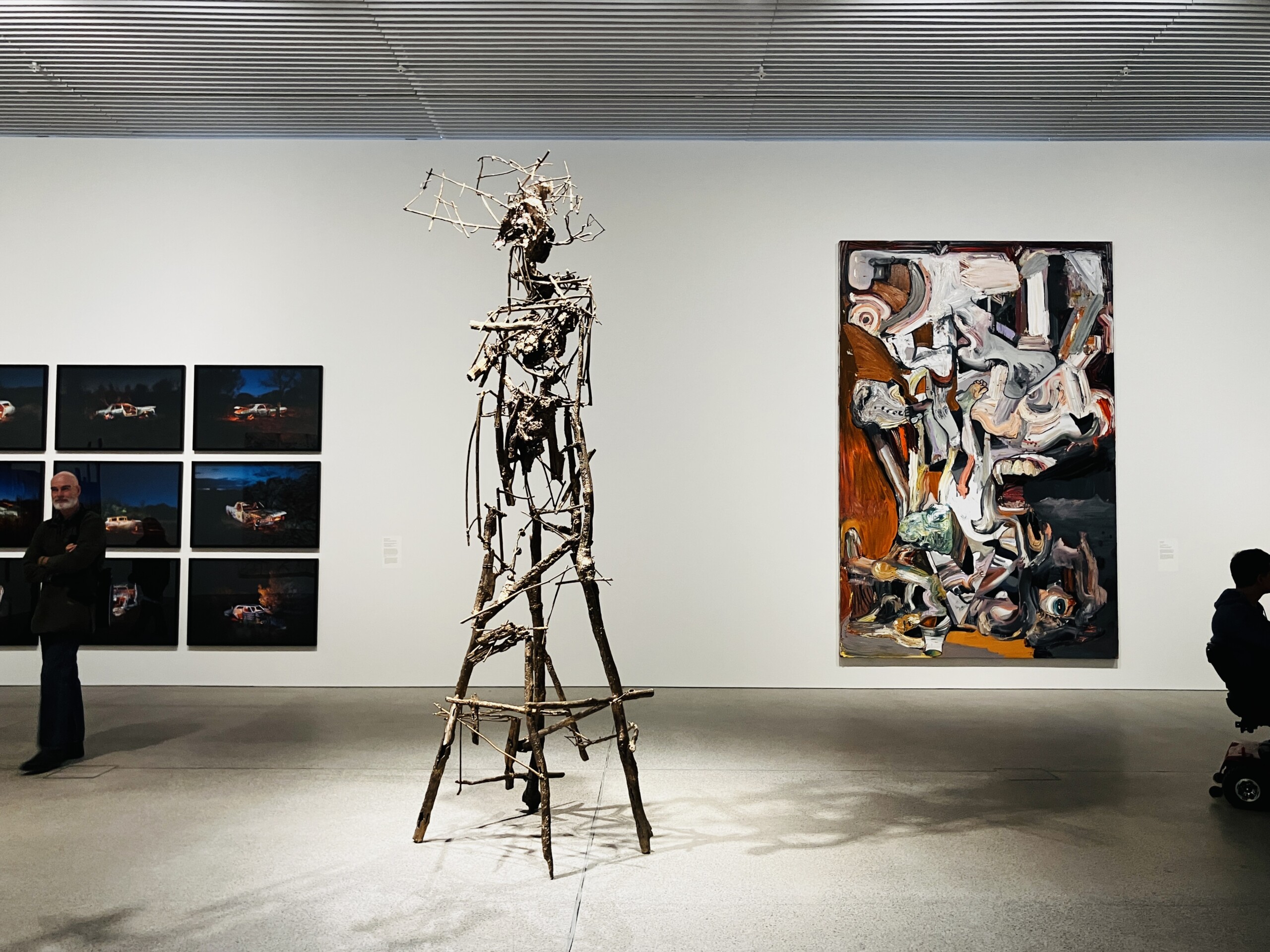
The sculpture contains impressions of branches salvaged from a bushfire-damaged landscape, bamboo collected from Birchgrove, weeds found around the Portland site, baling twine and ropes and threads gathered during Fasher’s travels through India, Bhutan and Mongolia.
These fragile materials were burnt out of moulds and replaced with molten bronze, preserving their textures and forms in a material that could last for centuries.
“The ephemeral is caught in a material that lasts forever,” Fasher said.
The evening’s discussion explored the role of chaos, uncertainty and risk in the creative process. Quilty said some of his best work emerged when he deliberately gave up control, sometimes destroying the strongest part of a painting so it could develop in an unexpected direction.
For Fasher, the creation of After Pina / Calling Kali required faith not only in herself but also in the team working alongside her.
She acknowledged the many assistants who helped cast, assemble and finish the monumental sculpture at Portland.
The acquisition is a major recognition of Fasher’s work and another example of nationally significant art emerging from the Central West.
It also places the creative community growing at The Foundations before one of Australia’s largest arts audiences.
At the conclusion of the conversation, Gralton thanked Fasher and Quilty for continuing to make work that keeps audiences “on the edge of things” and encourages people to think differently about the world around them.
For Portland, the evening was a proud reminder that remarkable work being made inside a former industrial site in a small Central West town can command the centre of one of the country’s most important galleries.
Main image: Portland sculptor Harrie Fasher speaks at the launch of The edge of things at the Art Gallery of New South Wales. Photo: Rich Evans.