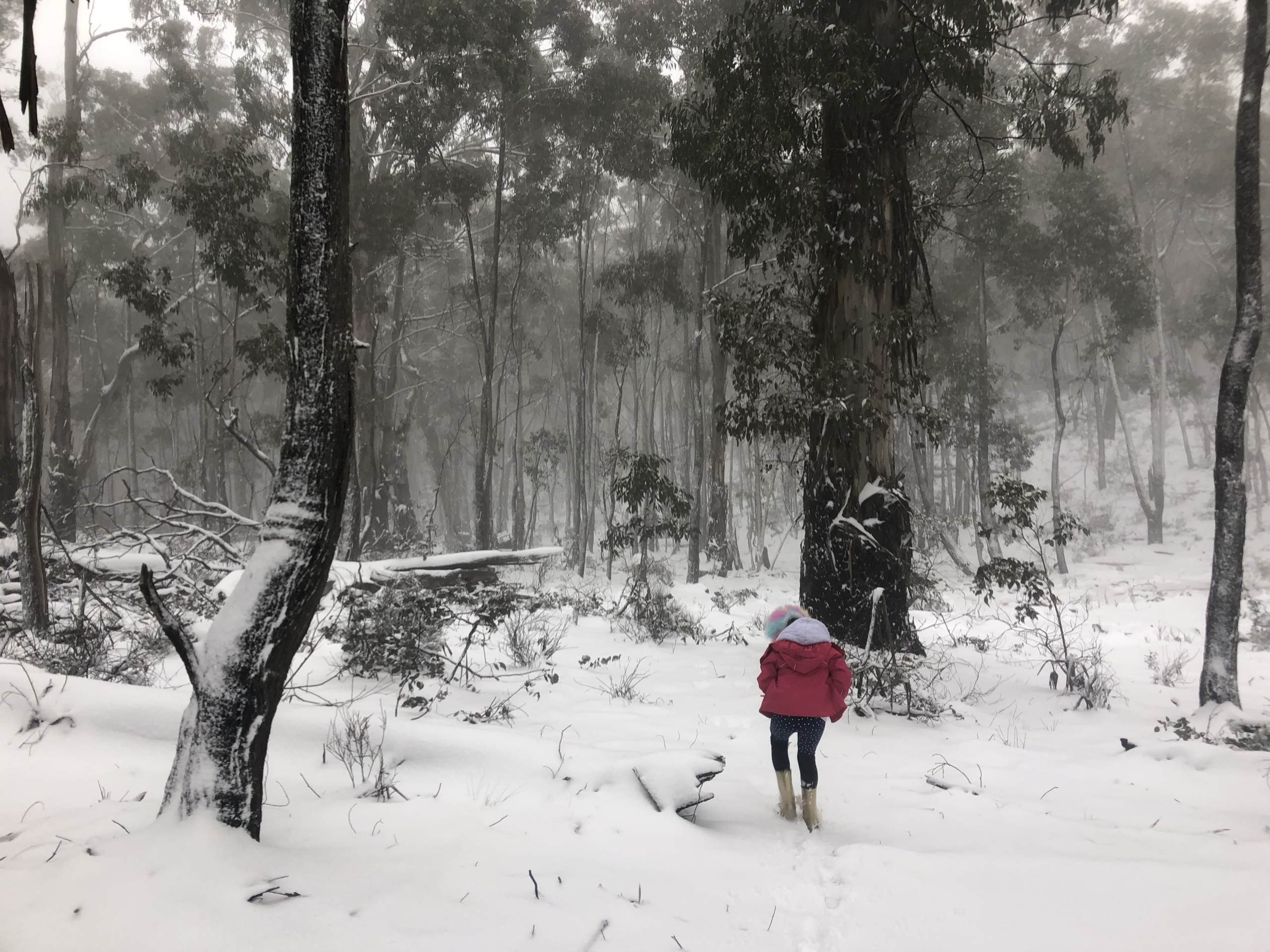



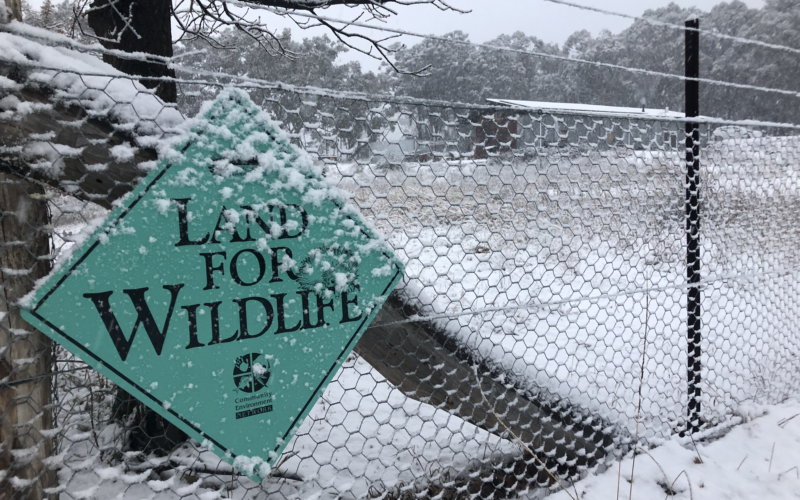
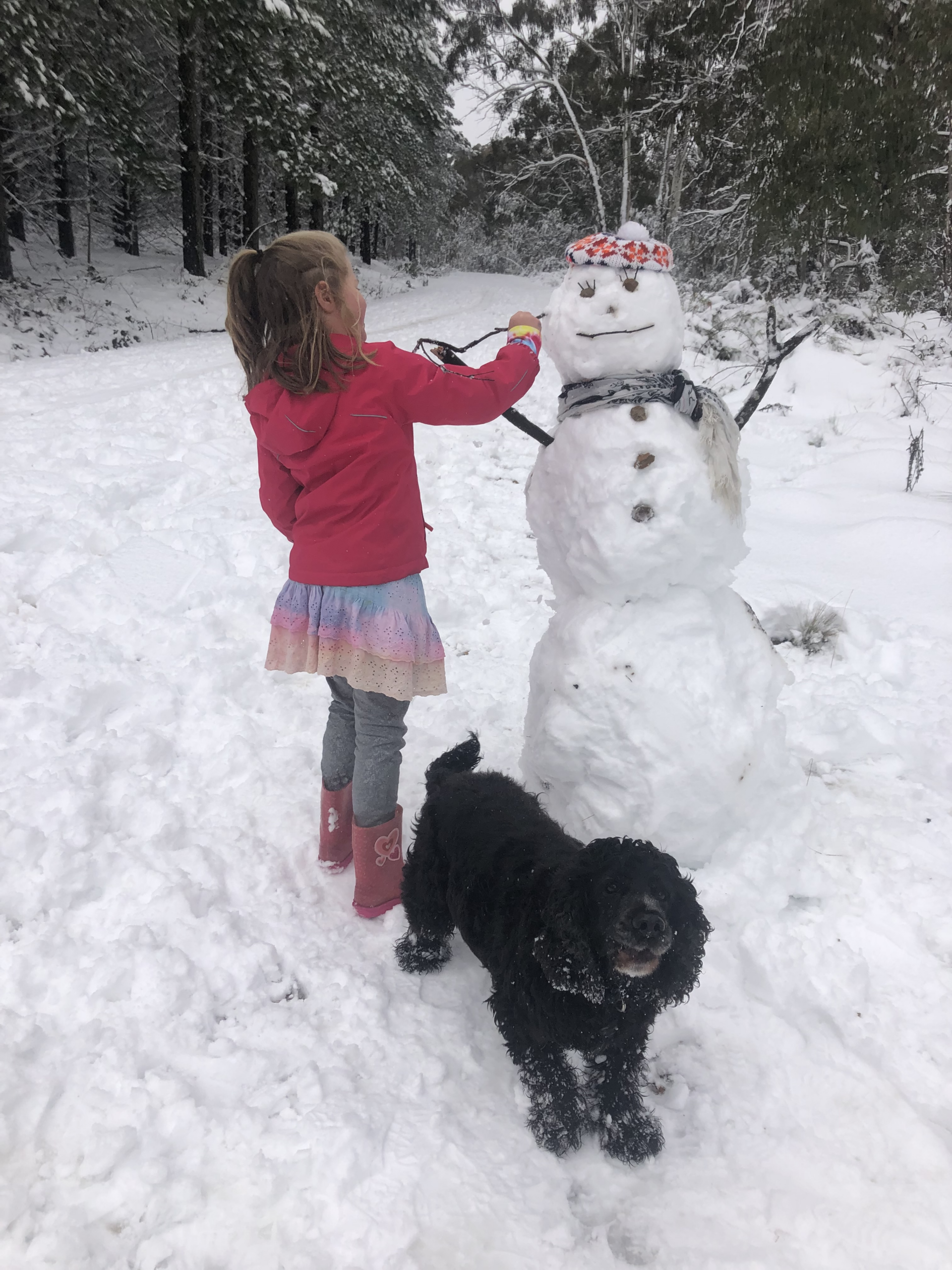
In hindsight, twenty twenty-six was the first year we didn’t really have a winter. A couple of frosts, but nothing like the winters of my childhood. Knee-deep snow drifts, the highway closed 2 or 3 times a year, meaning school was off, weeks of wet, miserable, bitter cold.
The last decent snowfall is now decades behind us, and most people think this is just normal now. A human life is short enough, but it’s amazing how short-term and subjective our memory is. People may say it’s cold, but the numbers tell a different story. Most winters aren’t that cold anymore.
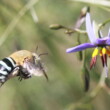
And it wasn’t just in the numbers. The people who work with nature noticed it first. The beekeepers who saw the bush flowering patterns change. The farmers who were dealing with new pests and increasingly unpredictable seasons, making planning really hard. Council Parks and Gardens crews losing established trees.
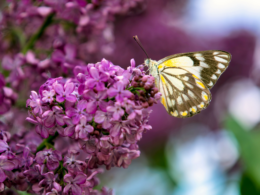
And then it spread out from those most impacted. We noticed as the ticks that used to die in the frosts started to survive year-round, threatening our pets and livestock. We noticed the plants that disappeared or were just too hard to grow here anymore. We noticed that some birds disappeared, but others started living here too. Weird changes – like the Flying Foxes that moved into Bathurst in the 2010s – my grandparents would never have believed it. The changes became so obvious that we had to actually look at what was changing around us.
And when we looked, something shifted. In an era that became known as ‘post -truth’, we realized the only real truth was in nature and in our relationships with each other. As the online world turned to slop, we turned our phones off more. Not all at once; gradually. But I think 2026 was when it started. We spent time outside, with each other. We learned from what we saw. We felt better.
That’s when everything else followed. We stopped building a society just for the economy and started building an economy for people. AI became a tool to give us back our time, our relationships, our connection to the environment. We took on Aboriginal Ways, not out of sympathy, but because engaging with First Nations’ wisdom really helped everyone. We realised that ‘economic rationalism’ was just part of the picture and should never have been the driving force behind so many government and company decisions.
It’s funny looking back really. Humanity had spent a few centuries building the machines that ate up our planet. At the same time, we built a society that largely turned people into machines in order to serve and run the system. Then we built a machine, or AI as we called it, that became better at being a machine than a person trying to be one! The gift was in teaching us what it really meant to be human. That we don’t thrive individually. We, and the natural world around us, are intimately connected, and everything works better when we care for everything we are connected to.
And despite all the fear at the time, we didn’t lose – we gained. We gained a cleaner, quieter, calmer world and better-connected communities. So, while the weather is crazy now, we’re not.
Ashley Bland is the chair of Greening Bathurst.