





By Sarah Hunter
Fueled
by a million
man-made
wings of fire –
the rocket tore a tunnel
through the sky –
and everybody cheered.
Fueled
only by a thought from God –
the seedling urged its way
through the thicknesses of black –
and as it pierced
the heavy ceiling of the soil –
and launched itself up into outer space –
no
one
even
clapped.
In the changing of the seasons, and particularly in springtime, we can see all around us the miracle of biology, botany, physiology, taxonomy, ecology, genetics, genomics, ethnobotany, palynology and phytochemistry … just to name a few of the scientific disciplines associated with plants. Yet, this poem written by Marcie Han over sixty years ago still resonates.
The process of photosynthesis is one to which we owe our existence. Put very simply, plants (and algae and some bacteria) take in light energy from the sun, water, and carbon dioxide from the air, and convert them into chemical energy plus oxygen. The chemical energy is stored as a carbohydrate – glucose which serves as fuel for the plant and a building block for making compounds such as amino acids, proteins and lipids.
The oxygen sustains life in the air that we breathe, and contributes to the ozone layer, which protects Earth from ultraviolet radiation.
Earth’s food webs connect primary consumers (herbivores) to secondary (carnivores or omnivores) and tertiary (apex predators) then decomposers, which break down organic matter and waste materials. Cattle and sheep make their specialized contribution by converting plant cellulose – which is indigestible by humans – into microbial proteins and amino acids through the action of rumen microbes. They also graze land which is unsuitable for growing plant crops, adding to the productivity of a region.
As humans, we have a lot of reasons to love and appreciate plants.
We are blessed in the Central West and Mid-West regions to have myriad agricultural and garden events at this time of year. No matter where you live – and this is a reminder that friends or family from elsewhere may love to experience it with you – there’s something to appreciate close by.
Daffodils at Rydal has just delighted many, and still to come we have:
- 10 October – 39th Annual Trunkey Creek Wool & Horse Festival
- 14-18 October – Spring into Art at Newbridge
- 17-18 October – 2026 Gardens of Mudgee
- 22-26 October – Australian National Field Days
- 24-25 October – Hartley Valley Garden Festival and Plant Fair
- 31 October – Bathurst Spring Spectacular
- 31 October-1 November – Millthorpe Garden Ramble
- 31 October-1 November – Find Art in Hartley
- 7-8 November – Rockley Gardens and Art Festival
Now is the perfect time to observe the renewal, at both a macro and a micro level.
Support the community by showing up at one of the many festivals. Stroll the main street. Buy something from the businesses there. Leave a comment or tell people what you enjoyed most. Make a plan to come back to explore more of this beautiful place.
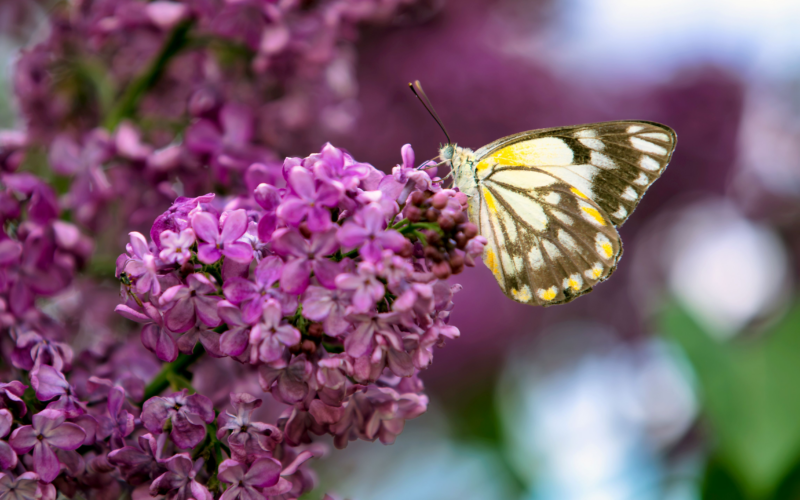
If you can’t do that, zoom in. Plant some vegetable seedlings. Look closely at a plant flowering near you. Appreciate the velvety petals and the way buds unfold. Do it today, because this windy season means that at any time you could also be watching the trees swaying and those beautiful, ephemeral blossom petals twirling in the gusts.
Feel the sun on your back and breathe in the fragrances of spring. Empathise with those for whom this also means seasonal hay fever, because that’s just not fun.
Above all, marvel at the way our life on Earth is sustained by the silent engines of photosynthesis all around us. You might even give a little clap.