






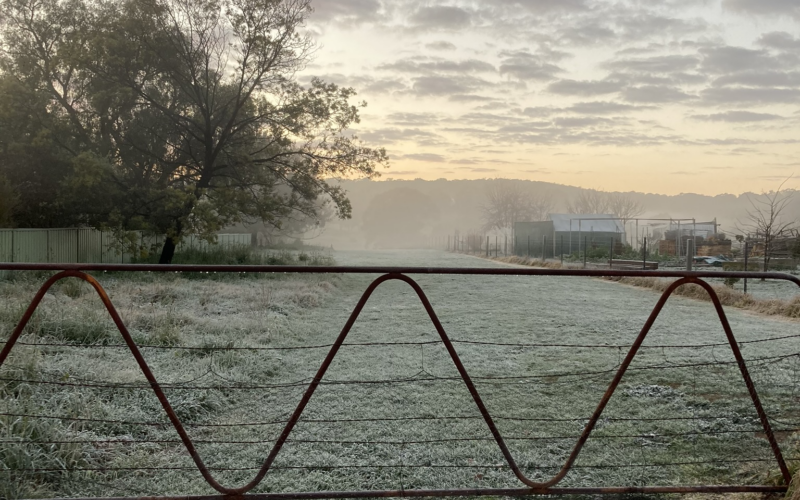
The Central West is presently surrounded by wonderful green countryside, after a pleasing autumn, early winter rainfall, and mild temperatures.

However, we must remember this is Australia, where throughout history droughts have been part of the natural cycle. The present forecasts of the now certain El Niño, combined with the Indian Ocean Dipole and Southern Oscillation Index, mean it is highly likely that we will soon be suffering drought conditions. But what is “drought”?
It can have many different definitions, meanings and impacts. Simply, it is a prolonged, abnormally dry period where there is not enough water available for normal use. It is not simply low rainfall; if it was, much of inland Australia would always be considered in drought. Many other factors such as evaporation are important.
For example, in Bathurst, in January, evaporation can exceed 20mm per day- rarely made up by rainfall. A drought in Cairns is quite different to a drought in Broken Hill.
Meteorological drought, a rainfall deficiency compared to the historical average, is usually over a 30-year period for a region.
Hydrological drought refers to a significant deficit in surface and subsurface water supplies. It occurs when prolonged rainfall shortfalls cause low streamflow in rivers, and reduced levels in lakes, dams and groundwater.
Agricultural drought– a period of moisture deficit that is inadequate to support crop and forage production, when water demands by plants exceed the available water. Significance is obviously seasonal. Bathurst in January qualifies, but is of limited significance. In spring, similar conditions can be devastating.
Socioeconomic drought occurs when the demand for socioeconomic goods such as water, food, hydroelectric power and forage exceeds supply due to weather-related water shortages. It is caused by an imbalance between water supply and demand, and is the compounding of the three previous forms of drought. Australia, unlike other parts of the world such as Africa, has thus far been spared.
Ecological drought occurs when a prolonged water deficit pushes ecosystems beyond their vulnerability thresholds, damaging biodiversity and the vital systems they provide.
Flash drought is a relatively new term. Unlike traditional droughts that take months to develop, flash droughts can materialise in a few weeks, caused by a swift and intense depletion in soil moisture.
Australia has always had droughts, but Climate Change is amplifying droughts by making them more frequent, more severe, and longer lasting. Rising global temperatures create a “thirstier” atmosphere, sucking moisture from plants and the soil, and seriously disrupting weather patterns. In many regions the increased evaporation plays a larger role than lack of rain. Altered high altitude wind currents impact storm tracks, causing weather systems to bypass historically wet areas. When rain does fall it often comes in heavy, sporadic downpours running off quickly, rather than slow soaking rain.
It is increasingly imperative for the sake of our planet that humankind takes rapid action on Climate Change. We know what to do— get into it.
Dr Jim Blackwood is a member of Bathurst Community Climate Action Network.