



Across Australia, women are growing food, managing livestock, restoring landscapes, running agricultural businesses and strengthening rural communities. Yet for generations, much of their contribution has gone unrecognised.
In 2026, that story is receiving overdue attention. The United Nations has declared this the International Year of the Woman Farmer, a global initiative celebrating women’s essential roles in agriculture while highlighting the barriers that continue to limit their opportunities.
According to the Australian Government, women make up around one third of Australia’s agricultural workforce. Their influence extends well beyond paddocks and farm gates, encompassing research, innovation, natural resource management, food production and community leadership.
Globally, women account for 42 per cent of the agrifood workforce, according to the United Nations Food and Agriculture Organisation. Yet unequal access to land, finance, technology, education and decision-making continues to affect their livelihoods.
The organisation estimates that closing gender gaps in agricultural productivity and wages could increase global economic output by US$1 trillion and reduce food insecurity for 45 million people. These figures highlight something important: recognising women in agriculture is not simply about fairness. It is also about building stronger, more productive and resilient food systems.
In regional Australia, women’s contributions have often been described through their relationships to others: a farmer’s wife, a helping hand, or the person keeping everything running behind the scenes. Increasingly, women are challenging those descriptions and being recognised as farmers, business owners, innovators and decision makers in their own right. For younger women considering agricultural careers, visible role models can make possibilities feel tangible and within reach.
That recognition matters as agriculture navigates changing seasons, rising costs, environmental pressures and the need to attract the next generation. Diverse perspectives, strong networks and opportunities for leadership can help rural communities respond creatively to these challenges.
The International Year also offers a chance to celebrate the many ways women care for land and community, from regenerative farming and biodiversity conservation to mentoring, education and local enterprise.
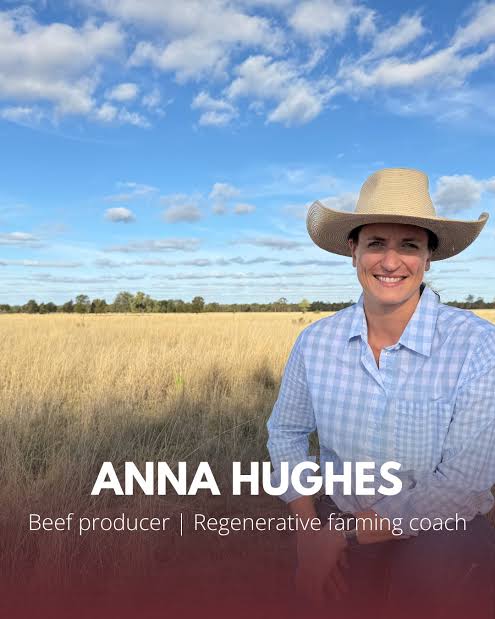
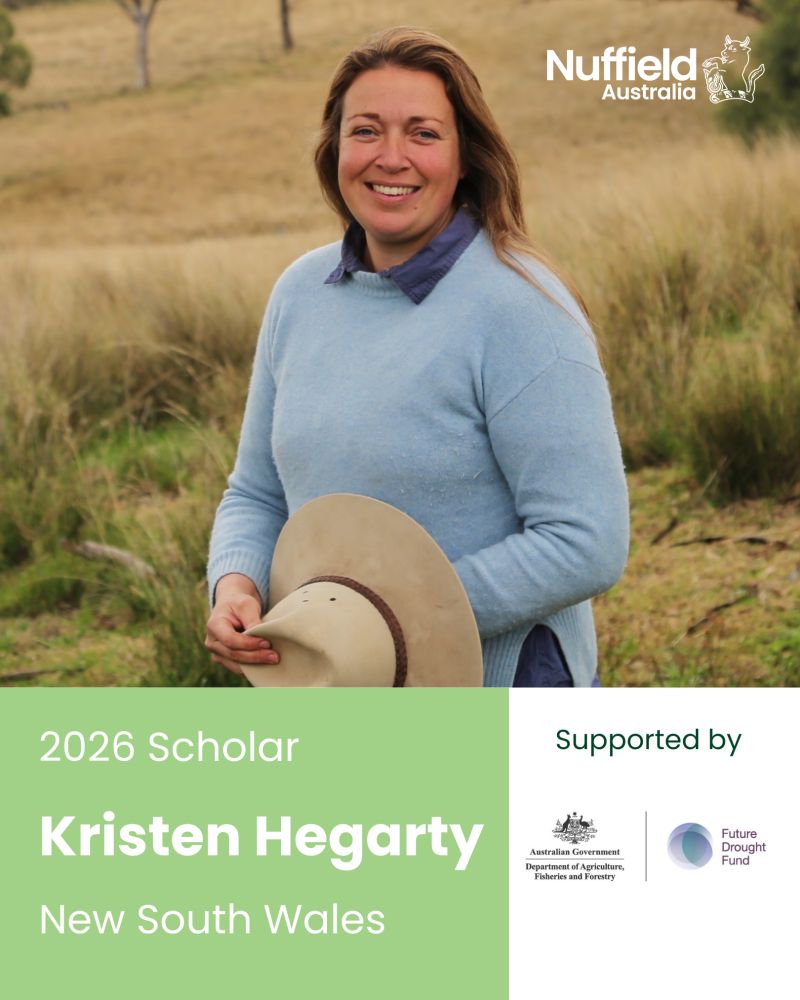
Here in the Mudgee region, Watershed Landcare is bringing that conversation to life with Leading the Land, a special gathering at Lowe Family Wine Co. on Saturday 28 November. The event will feature an all-female speaker lineup, including Kennedy Porter, Martha Lindstad, Anna Hughes, Dr Aurelie Quade and Kristin Hegarty, exploring agriculture, resilience, leadership and innovation.
Open to everyone, the day promises practical insights, inspiring stories and opportunities to connect, alongside morning tea, lunch and canapés catered by the ZIN House. Tickets are $60 for Watershed Landcare members and $75 for non-members. It’s an invitation to celebrate women’s achievements while considering how everyone can help shape a thriving future for farming. More info at watershedlandcare.com.au/events