



By Julian Sortland, Oberon.
I’ve just returned from “EVerything Electric” at the Showground in Homebush Bay. Given fuel prices are heading up again, and likely to remain high for some time, what was there for rural people?
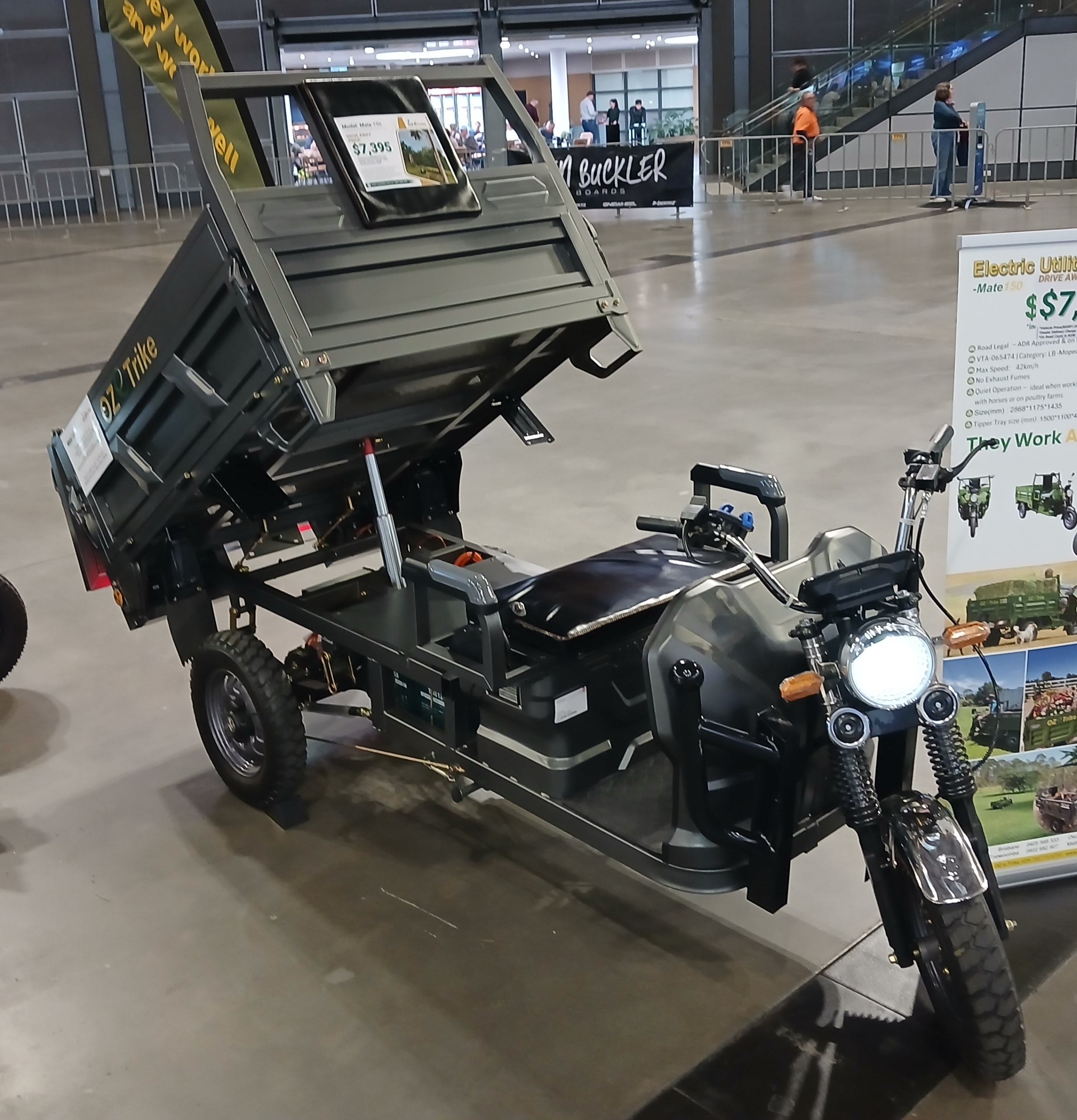
The first item wasn’t a car, but a farm trike with a cargo tray. The OZ eTrike Mate 150 is ADR approved as a Category LB three-wheel moped and features a hydraulic tipper. Priced under $7,000 for on-farm use, it uses simple 36-volt lead-acid AGM batteries that can be replaced relatively cheaply. It could also suit Council Parks & Gardens departments and showground trusts.
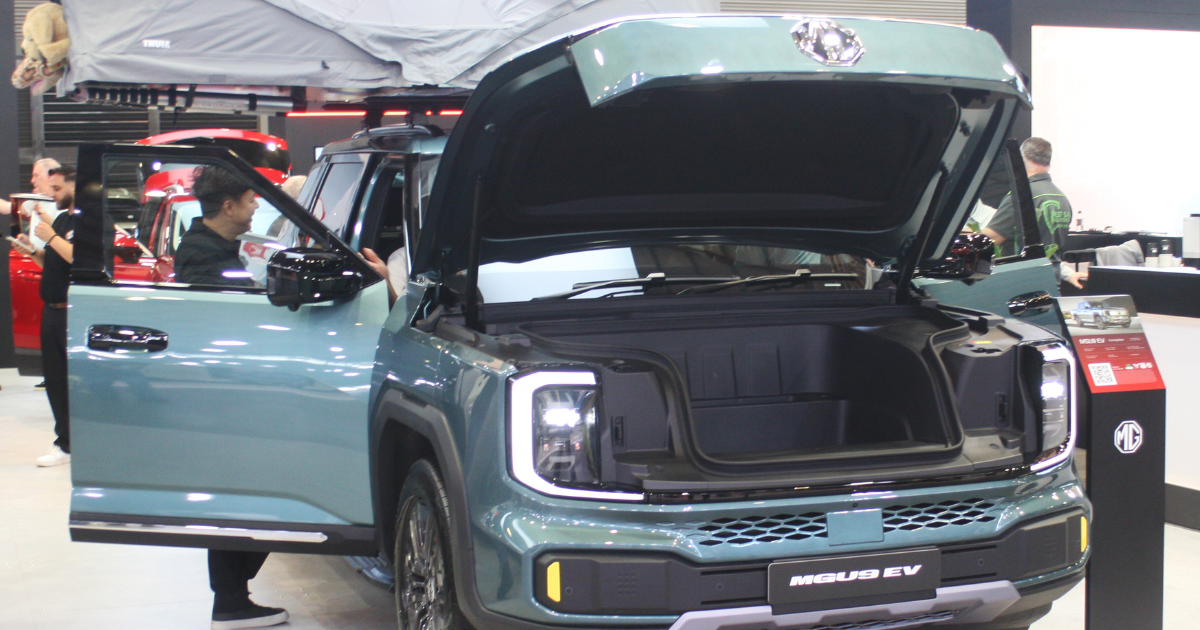
The MGU9 EV dual-cab utility was another interesting option. Its “frunk”, where the engine would normally be, provides secure storage away from chemicals or fertiliser carried in the rear tray. It takes an Australian Standards pallet, has a 430km WLTP range and 3500kg braked towing capacity.
Vehicle to Load (V2L) is particularly useful for rural users, allowing the vehicle to power tools, lighting, coffee makers, hotplates, fridges and freezers. During blackouts, that could become especially valuable.
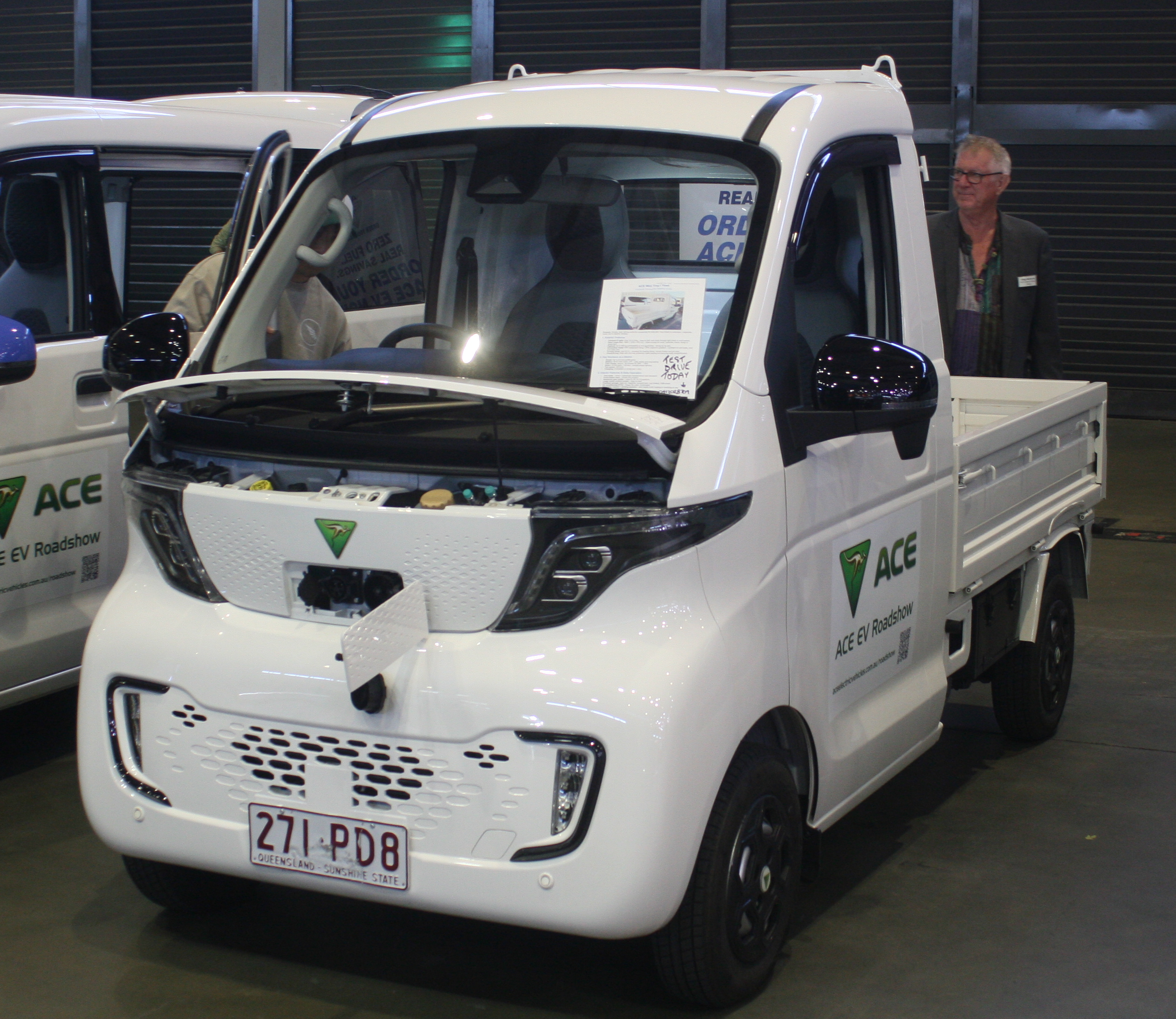
There were plenty of other work vehicles. The Tusker Tembo ute is available in single or dual-cab, 2WD or 4WD, with range up to 510km, payload over one tonne and three-tonne towing. Farizon displayed electric vans, including a camper conversion, while Queensland-based ACE EV Group showed compact vans and its “Yewt” mini truck.
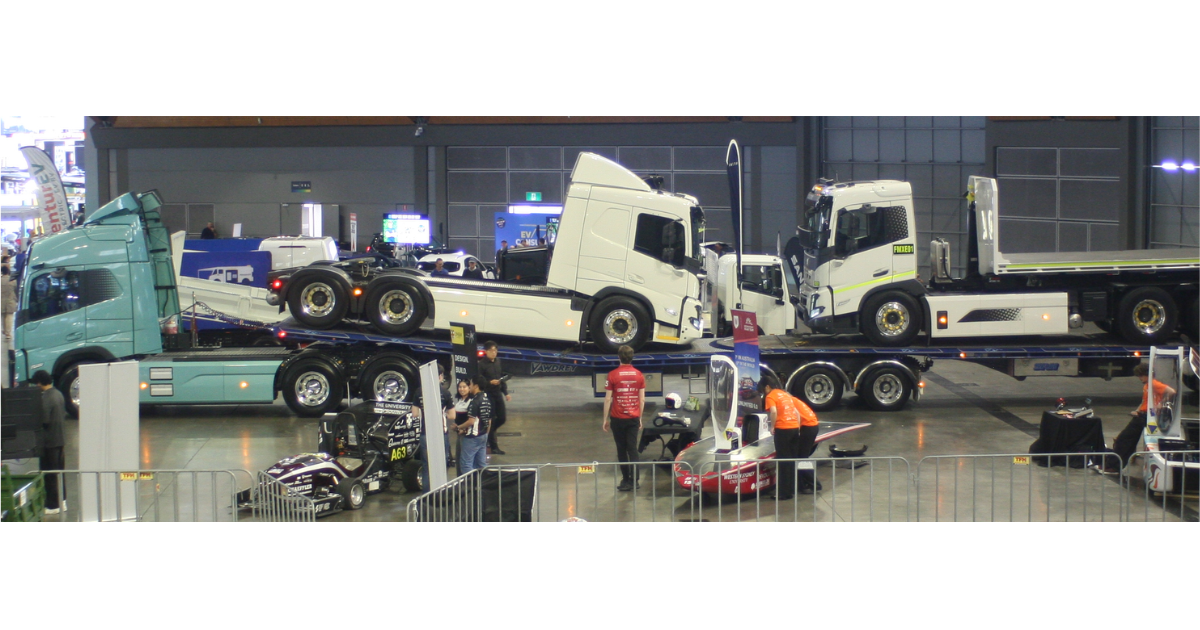
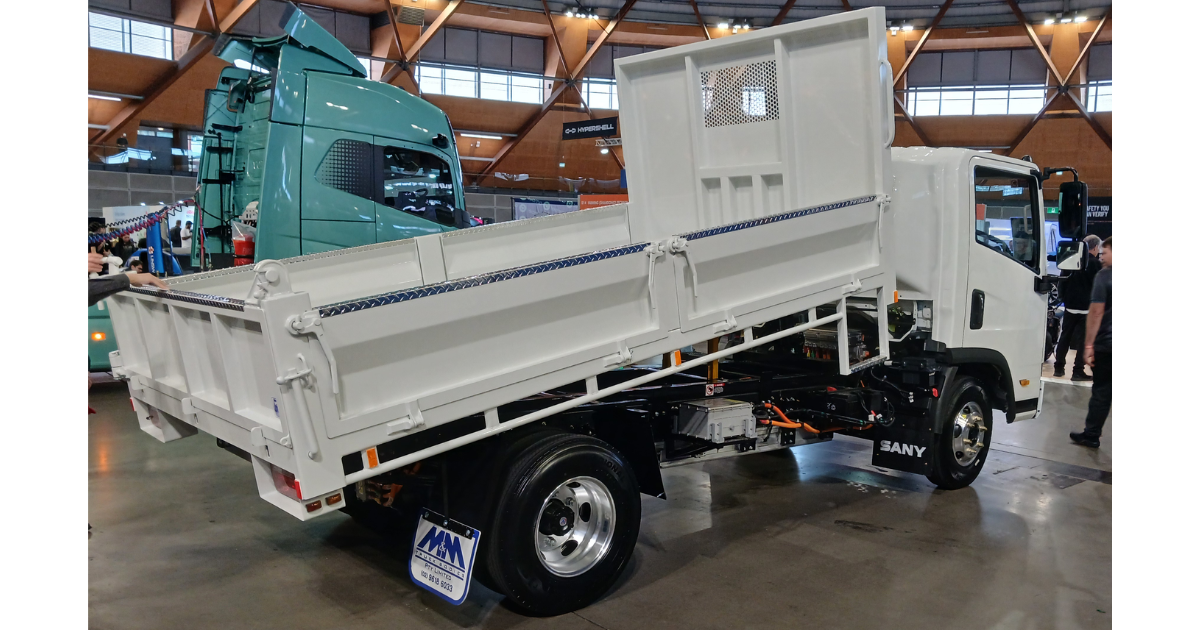
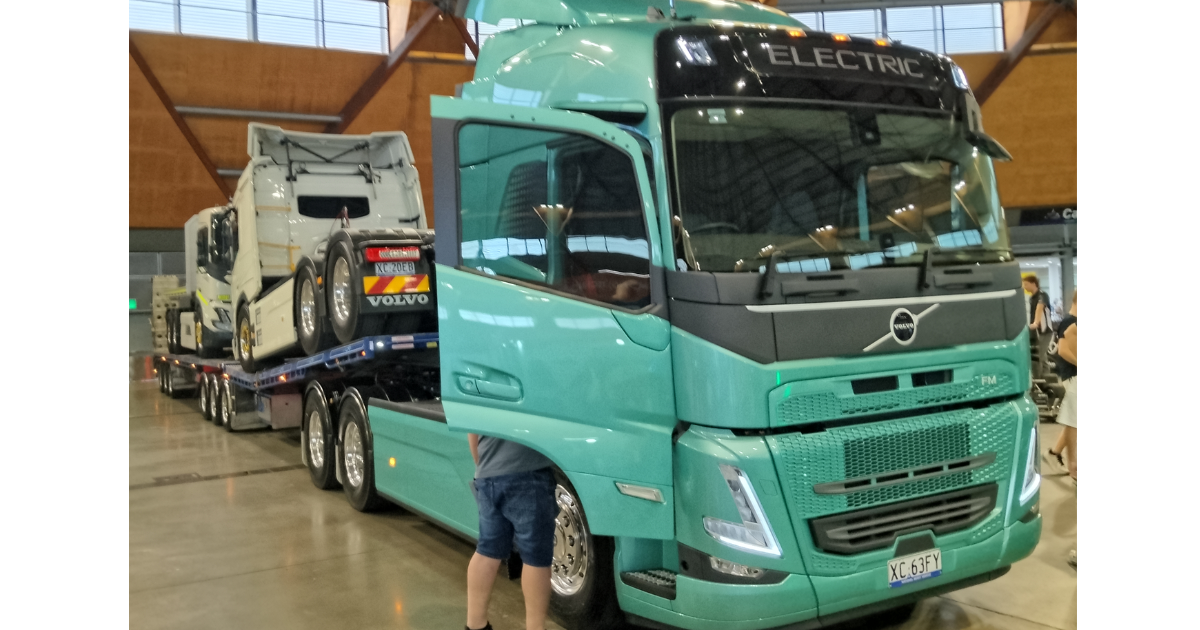
Heavy vehicles were well represented too. SANY displayed tray and tipper trucks, while Foton Mobility showed commercial vehicles already being used for supermarket deliveries. Volvo had its electric FM prime mover and FMX hook-lift truck, with electric FM and FH models soon to be manufactured in Brisbane.
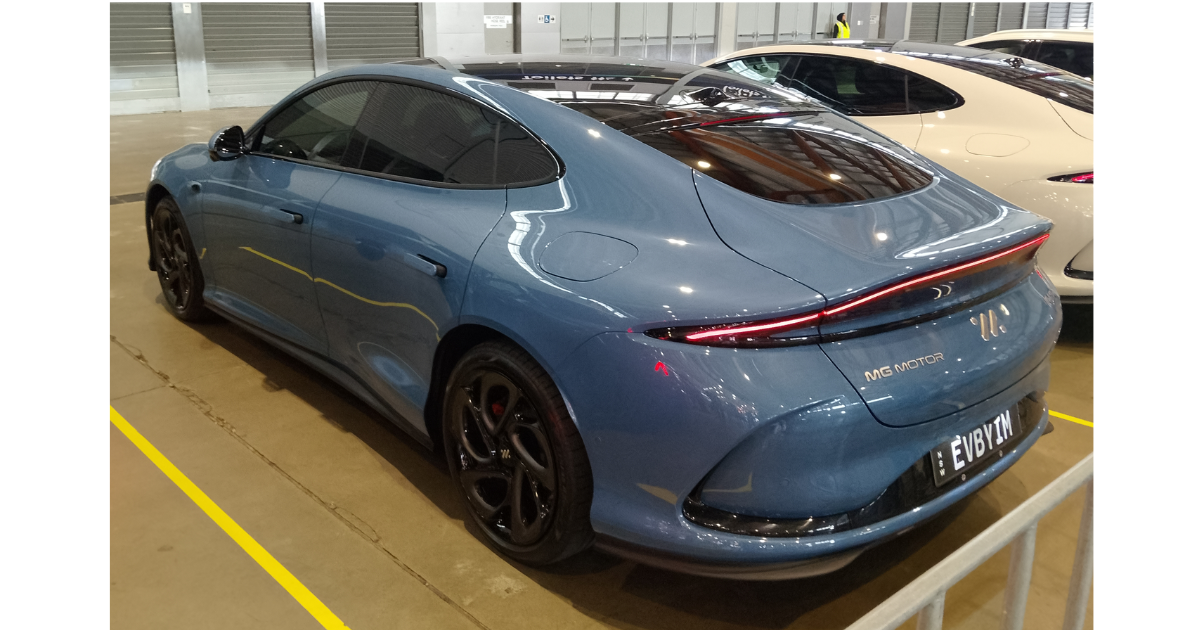
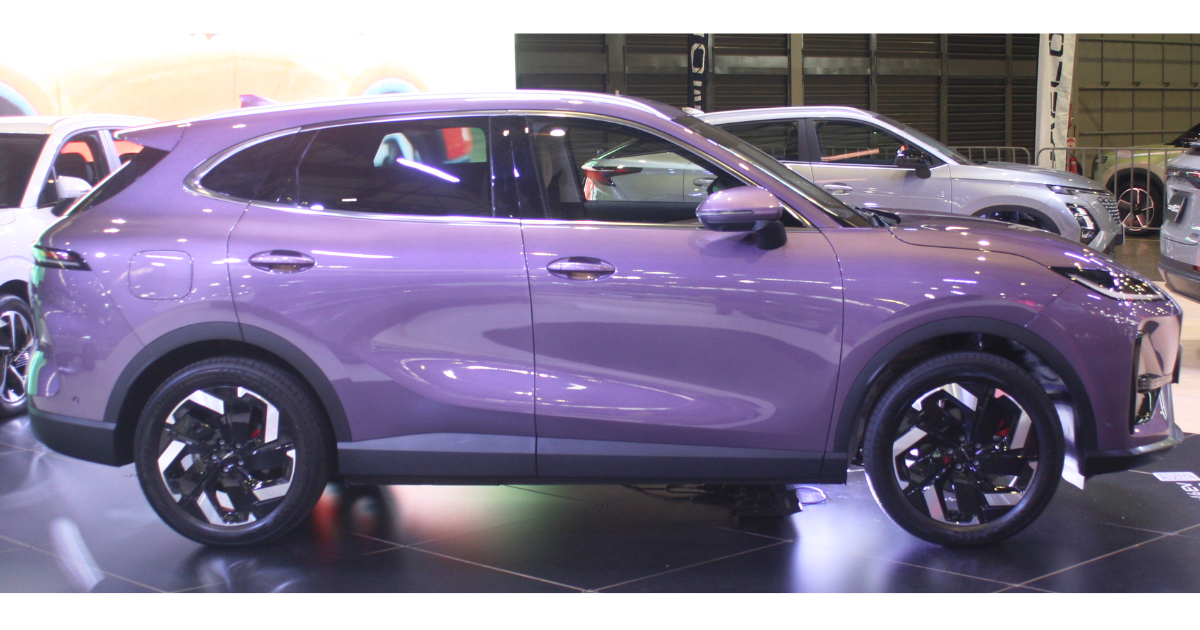
For those considering an EV for everyday use, there was everything from affordable small cars through to SUVs, utes and high-performance vehicles. BYD, MG, Subaru, Toyota, Geely, Cadillac, Polestar and many others were represented.
Charging was also a major focus. Ampol, Exploren, e-Penguin and Zappi displayed solutions ranging from home wall chargers to faster commercial systems. Some integrate with home solar and batteries, while EVs can also charge from standard power outlets using portable equipment.
Solar carports and awnings from companies including Alspec Solar, Canyon Solar and UMAX Energy showed another option for homes, farms and businesses.
There were even electrified classic cars, motorbikes, scooters, marine engines and experimental solar vehicles from Australian universities.
For rural users, the show demonstrated that electric transport is no longer limited to small city cars. From farm runabouts and work utes to vans, trucks and equipment, the range of options continues to grow.
The next Sydney EV Show will be held from November 6–8 at the International Convention Centre at Darling Harbour.