





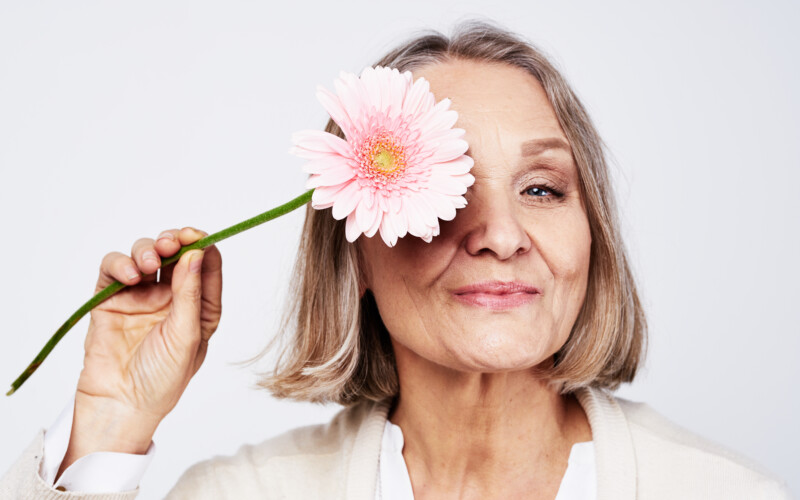
By Karla McDiarmid | Macquarie Medi Spa
For far too long, menopause has been a conversation women have had quietly, if at all. Something we were expected to simply get through, accept as part of ageing and carry on with life.
Thankfully, times are changing. Women are speaking up, asking questions and realising they don’t have to suffer in silence! After more than 24 years in the beauty and wellness industry, I’ve had the privilege of listening to thousands of women. Our treatment rooms have always been places where conversations go well beyond skincare, and one topic we’re hearing more about is perimenopause and menopause.
You’re not imagining how you feel. You’re not alone. And you don’t have to simply put up with it.
Recognising the Signs
Perimenopause can begin years before menopause, often during our 40s and symptoms vary enormously. Changes in menstrual cycles, interrupted sleep, exhaustion, brain fog, anxiety, irritability, hot flushes, dry or sensitive skin, joint aches and changes in body composition are just some of the signs.
For some women, symptoms are mild. For others, they can significantly affect confidence, relationships, work and everyday life. As women, we’re often so busy looking after everyone else that our own wellbeing comes last. We push through exhaustion, dismiss our symptoms and tell ourselves we’re just stressed or getting older.
But your feelings are valid, and your symptoms deserve to be heard.
Finding the Right Support
One of the most important things you can do is find a healthcare professional who understands women’s hormonal health.
Whether that’s your GP or a menopause-focused specialist, find someone who listens, takes your concerns seriously and helps you understand your options. Effective treatments are available, including menopausal hormone therapy for suitable women and non-hormonal alternatives. Not every symptom is hormonal, so proper medical advice is essential.
Seven Ways to Support Yourself
- Find your specialist. Seek professional advice, ask questions and be proactive about your health.
- Surround yourself with support. Talk to friends, family and other women. Sometimes simply hearing “I understand” makes all the difference.
- Nourish your body. Focus on protein, vegetables, fibre, healthy fats and calcium-rich foods to support your changing nutritional needs.
- Get moving, especially with weights! Strength training helps maintain muscle, bone strength and mobility. Combine it with walking and activities you enjoy.
- Prioritise sleep. Create a consistent sleep routine and seek advice if night sweats or insomnia are affecting your wellbeing.
- Make time for yourself. Whether it’s a massage, facial, yoga or simply time outdoors, rest and relaxation matter.
- Listen to your body. Pay attention to changes, ask questions and never feel embarrassed about seeking help.
Beauty Beyond the Surface
Hormonal changes can affect collagen, skin hydration, elasticity and sensitivity. Skin that was once balanced may become super dry or reactive, making personalised skincare and gentle, nourishing treatments increasingly important. The skin & beauty industry is also embracing wellness experiences that combine skincare, massage, relaxation and calming rituals.
While these experiences don’t treat menopause itself, they can provide valuable opportunities to slow down and reconnect with ourselves. It’s important to know calming & hydrating treatments to strengthen the skin need to come before resurfacing & harsh exfoliation treatments! Your skin has changed and needs tender loving care.
Menopause isn’t the end of feeling beautiful, strong or confident. It’s another chapter of womanhood that deserves understanding, education and support.
We need more conversations between mothers and daughters, friends, colleagues and healthcare professionals.
After all, we spend so much of our lives looking after everyone else.
Perhaps this is our reminder that it’s time to start looking after ourselves, too!
Karla McDiarmid is the owner and director of Macquarie Medi Spa, Bathurst.
* This article provides general information and is not a substitute for medical advice. Unusual bleeding, including any bleeding after menopause, should be medically assessed.**