




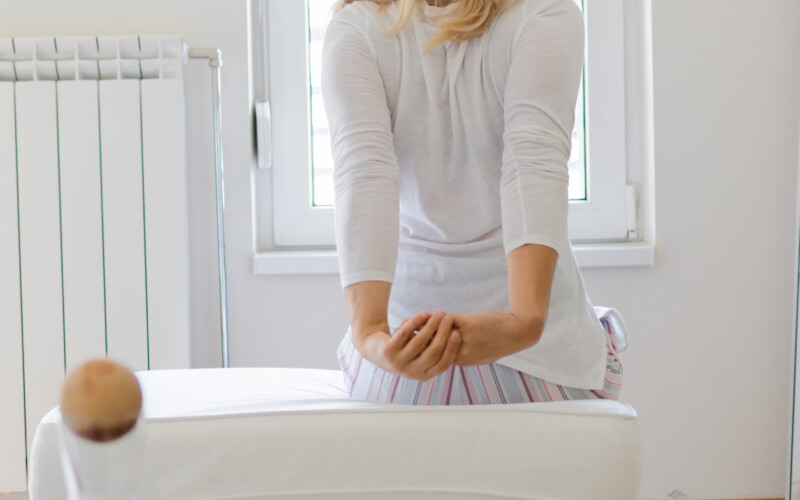
A woman comes in with a shoulder that’s started aching. She didn’t fall. She didn’t lift anything heavier than a laundry basket. It just quietly clocked on one day in her mid-forties and decided to stay, like an uninvited houseguest who’s now rearranging your furniture.
“I don’t know what happened,” she says, with the particular confusion of someone who has genuinely done nothing wrong. And nine times out of ten, nobody has mentioned ‘perimenopause’.
So let’s say it. Loudly.
It has a name now, and it’s not ‘just getting older’
In 2024, orthopaedic surgeon Dr Vonda Wright and colleagues gave this cluster of symptoms an actual medical name: musculoskeletal syndrome of menopause. Their research found that more than 70 per cent of women will develop musculoskeletal symptoms such as joint pain and stiffness during the menopause transition. For one in four, it’s severe enough to be genuinely disabling.
Read that again. Not ‘some women get a bit achy’. More than 70 per cent. This is not a fringe experience.
Quick vocabulary check
Perimenopause is the whole transition. In Australia it typically starts in the mid-to-late forties and runs around four to six years.
Menopause, on the other hand, is one single day. The day marking twelve months since your last period, on average around age 51. Everything before it, all the hot flushes, the mood swings, the mystery joint pain, is perimenopause.
Why your knees suddenly have opinions
We’ve filed oestrogen under ‘periods and fertility’ for so long that most of us forget it’s got its fingers in almost everything else too. Oestrogen receptors show up in cartilage, ligaments, bone and the discs of your spine. It plays a real role in how your body builds and maintains collagen, which is, frankly, most of what’s holding you together.
So when oestrogen starts its long, wobbly decline in your mid-to-late forties, your joints are among the first to notice. Ligaments feel looser or crankier. Discs behave differently. The shoulder that was fine for forty-three years suddenly isn’t.
Nothing’s gone wrong. Your body isn’t broken. It’s doing exactly what it was always going to do.
And sleep, because of course it’s involved
Australian research on women’s health in midlife finds disrupted sleep is reported more often than fatigue or joint pain. If your sleep has gone from ‘fine’ to ‘hostage situation’, you’re not imagining it.
Sleep isn’t just one more symptom. It’s closer to the foundation the list is sitting on. Nutrition, mood, pain tolerance, coping with a toddler’s opinions at 6am: it’s all harder with less sleep, and it doesn’t improve much until your sleep does.
One important caveat
Not everything in your forties is perimenopause. Thyroid conditions are common in exactly this age group and can produce much the same symptoms. Ask your GP, “Could this be my thyroid?” and request a full thyroid panel, not just TSH, because there’s more to that picture than one number.
Where chiropractic care fits
A large piece of what shows up in perimenopause also comes down to stress, cortisol and a nervous system running in overdrive, and that’s very much chiropractic territory as well. Chiropractic care may help support a more regulated nervous system, not as a cure and not as a fix (nobody can promise you that, and I wouldn’t try), but as one part of the picture. For some people that can mean better sleep, digestion, mental clarity and energy.
Plenty of allied health practitioners, naturopaths and other qualified providers are well placed to help manage different pieces of the perimenopause puzzle too. If one conversation isn’t landing, have another one, with someone else.
You don’t need a miracle supplement or an expensive gadget from the internet. You need someone who takes you seriously, and sometimes that means asking again, or asking someone else. That’s not being difficult. That’s function returning to flow. Your body is doing something remarkable. It’s allowed to ask for a little help along the way.
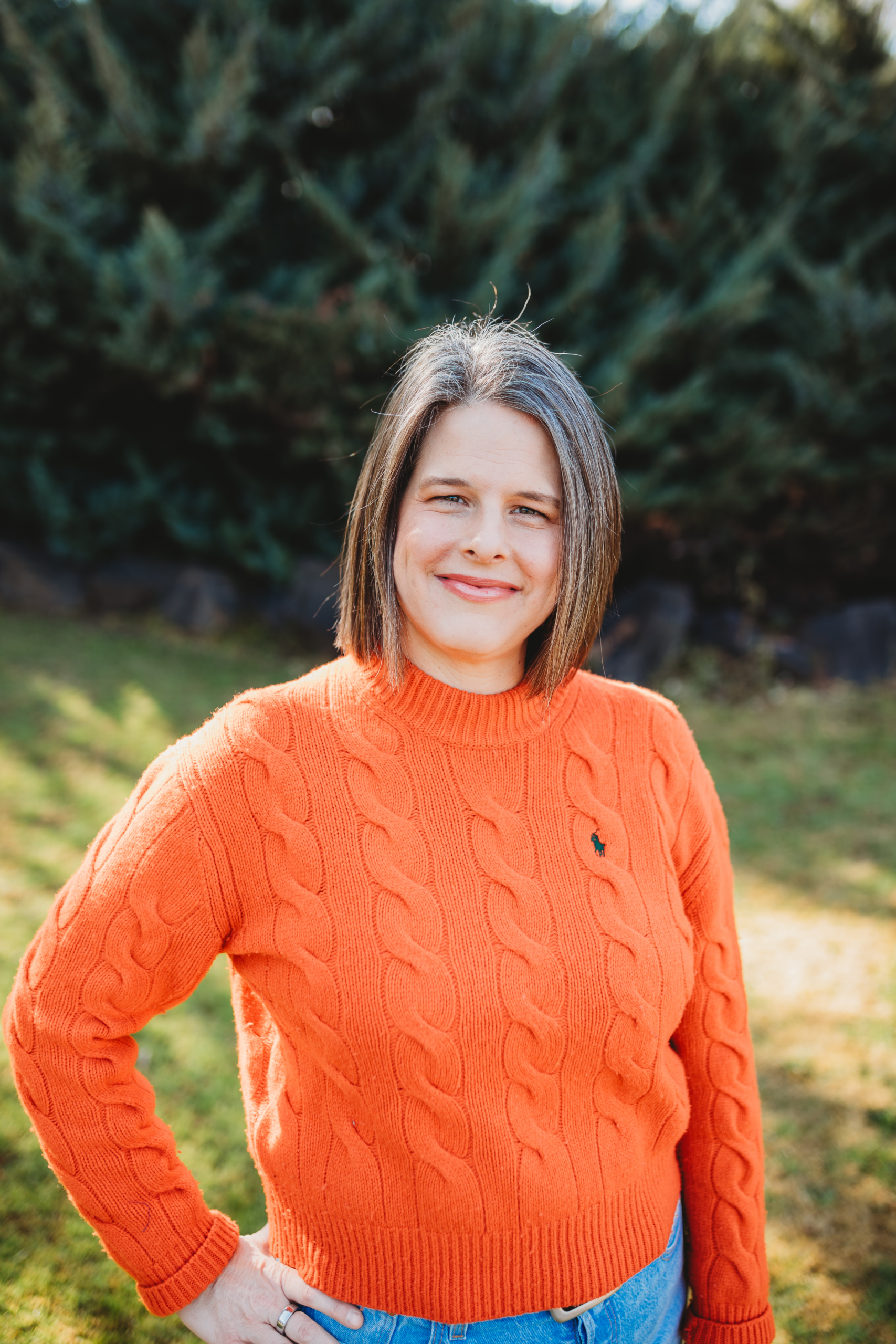
Dr Janine Kinahan is a chiropractor at Function to Flow Chiropractic in Bathurst. She has practised in regional Australia for more than 20 years, holds over 800 hours of post-graduate diplomate training including women’s health, and has taught other chiropractors in Australia and overseas since 2010.